About
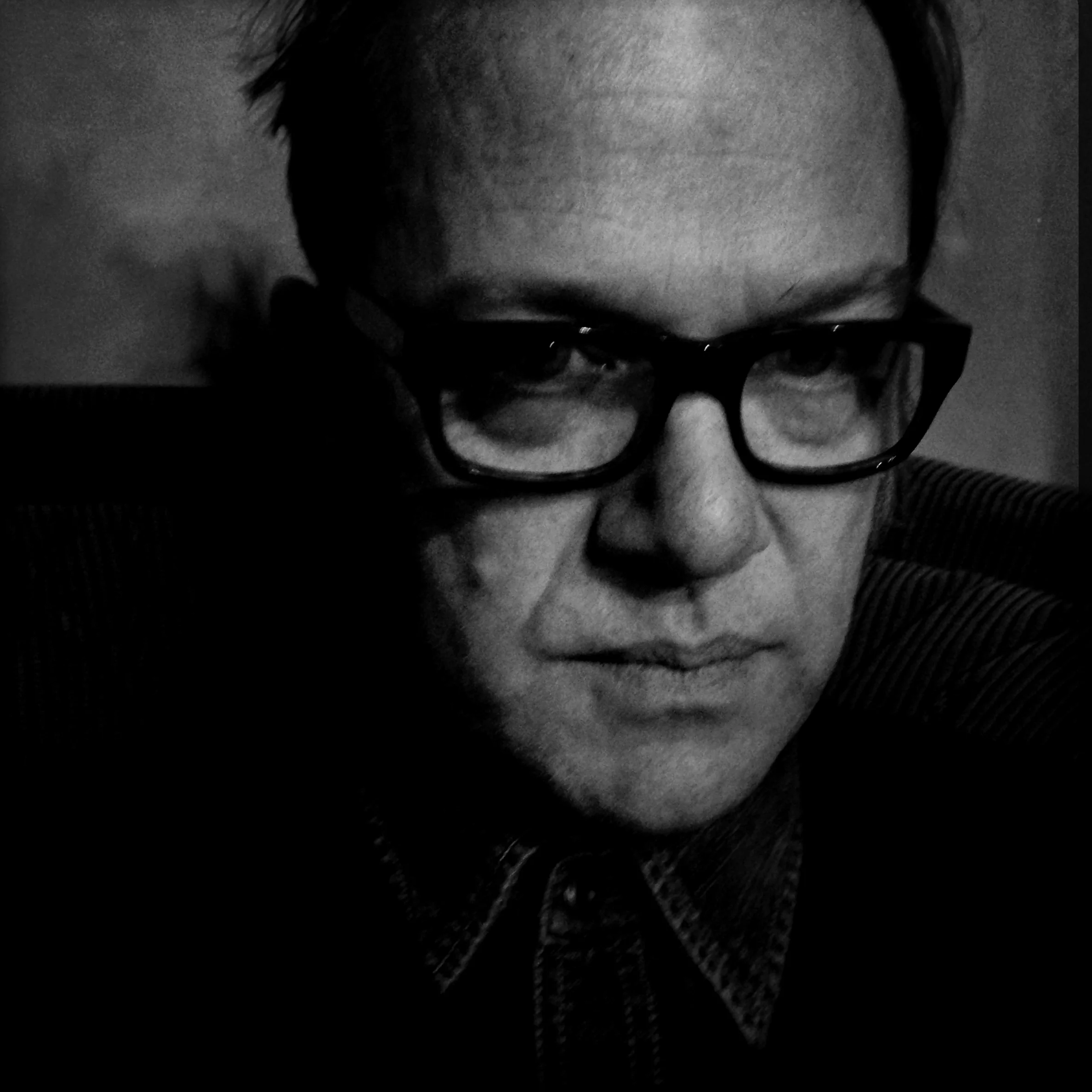
DAVID COULTER (Composer) is an English-born multidisciplinary artist, musician, composer, director, and educator based in the Bay Area since 2015. He was associate musical director and multi-instrumentalist on Robert Wilson’s The Black Rider: The Casting of the Magic Bullets at A.C.T. Since the 1980s, he has directed shows, produced records, and played his musical saw and other assorted weird and less-weird instruments in studios, theaters, and stages and on recordings around the world with the likes of The Pogues, Tom Waits, Kronos Quartet, Laurie Anderson, Yoko Ono, Hal Willner, and Gorillaz. Coulter curates and directs multi-artist events. Credits include Monkey: Journey to the West (Gorillaz and Chen Shi-Zheng), Double Fantasy Live, Rain Dogs Revisited, Discreet + Oblique: The Music of Brian Eno, Twisted Christmas, In Dreams: David Lynch Revisited, Improbable’s The Eldership Project, and An Anatomy Act. His project, Jim Jarmusch Revisited, premiered at Philharmonie de Paris and went on to sell out London’s Barbican Theatre.
In 2017 he composed scores for two of Carey Perloff’s American Conservatory Theatre productions: Ursula Rani Sarma’s adaptation of Khaled Hosseini’s A Thousand Splendid Suns which has won several awards, including Coulter’s Betty Mitchell Award for Best Score For A New Play. He has performed his score live for A Thousand Splendid Suns over 200 times at theaters in San Francisco, Calgary, San Diego and Seattle. He also composed the score for Perloff’s production of Hamlet. Coulter recently collaborated with Kronos Quartet and composer Sahba Aminikia to create a new piece for the Guardian newspaper’s 3D film Virtual Reality project Sea Prayer: a 360 illustrated film based on a story by Khaled Hosseini. In April 2018 Coulter was Artist-In-Residence with Kronos Quartet for Kronos Festival 2018 at SFJazz Centre. He has played the didgeridoo at the invitation of Her Majesty Queen Elizabeth II on a number of official occasions.
TEST DEPT
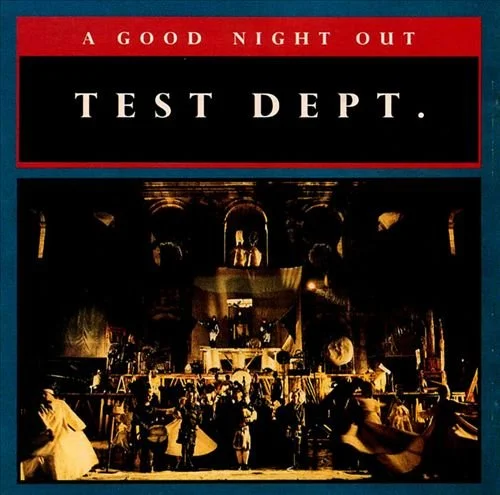
Coulter worked with Test Dept during their mid-1980s peak, contributing avant-garde percussion and multi-instrumental colours to one of industrial music’s most revolutionary forces. Test Dept profoundly influenced the greater musical landscape by rejecting traditional instruments entirely, pioneering a raw sonic architecture built on striking scrap metal, industrial machinery, and martial rhythms. Their aggressive blending of political activism with immersive multimedia performances laid the foundational blueprint for electronic body music (EBM), modern industrial metal, and the radical sampling techniques used in contemporary electronic music today.
The Airloom
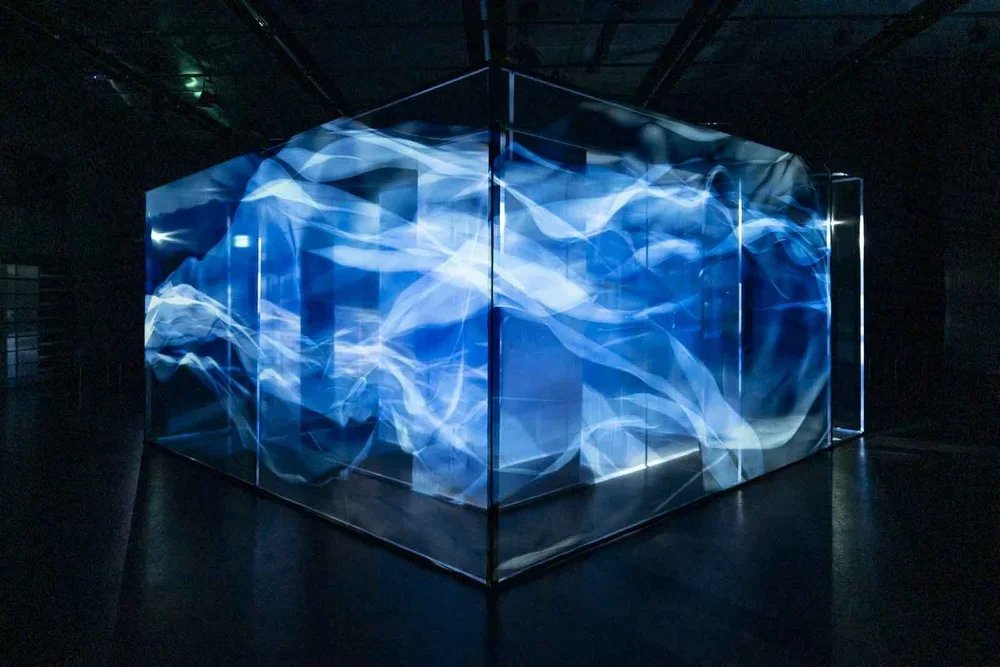
The Air Loom is a large-scale, immersive sound and video installation for which David Coulter composed an eerie, hypnotic musical score. Premiering at the Otherworldly Festival in Uppsala, Sweden (2022), the project was a collaboration with writer/director Peder Bjurman, video artist Mark Holthusen, and featured the voice of Blixa Bargeld (Einstürzende Neubauten) as the machine itself.
Inspired by the historical case of James Tilly Matthews—who in 1810 described the first-ever "influencing machine" used to control his mind—the installation explores modern themes of digital surveillance, paranoia, and identity. Coulter’s "hauntingly beautiful" score was broadcast through a labyrinthine cube of transparent screens, designed to make the audience feel physically inside the machine while Bargeld's voice narrated the "influence" invading their thoughts.
The Pogues
David Coulter spent six years touring and recording with The Pogues during the 1990s, infusing his multi-instrumental talents - including the didgeridoo, mandolin, fiddle, and djembe - into one of the most radical outfits in modern rock. Led originally by frontmen like Shane MacGowan and later Joe Strummer, The Pogues fundamentally transformed the musical landscape by demonstrating that the raw, chaotic rebellion of punk rock could live seamlessly within the structure of traditional Irish folk music. Their revolutionary blend of acoustic storytelling, working-class liberalism, and aggressive electric energy single-handedly birthed the global Celtic punk genre, directly inspiring a massive wave of multi-instrumental rock bands from Flogging Molly to Dropkick Murphys